
Website Design Mistakes That Cost You Sales
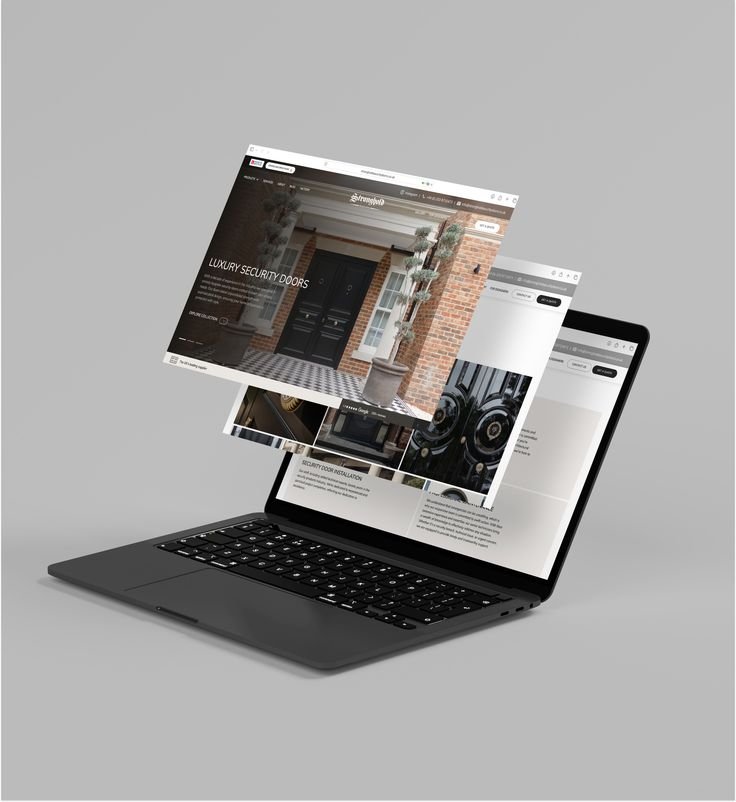
If someone lands on your homepage and can't immediately tell what you do, who it's for, and what to do next, you've already lost them. Most visitors decide within seconds whether to stay or leave — and they won't stay to decode a cluttered layout, an ambiguous headline, or three competing calls-to-action.
Fix it: one clear headline that names what you do and who you serve. One primary CTA above the fold. Everything else is secondary.
Your Site Is Slow
A one-second delay in page load time can reduce conversions by 7%. Slow sites don't just frustrate visitors — they signal to Google that your site isn't worth ranking. Oversized images, cheap hosting, and bloated plugins are the usual culprits.
Fix it: compress your images, invest in reliable hosting, and run your site through Google PageSpeed Insights. Speed is a business decision, not a technical afterthought.
You're Not Designed for Mobile
More than half of web traffic comes from mobile devices. If your site is hard to navigate on a phone — small text, buttons too close together, forms that break — you're turning away the majority of your potential customers.
Fix it: test your site on your own phone regularly. If it's frustrating to use, it's costing you sales.
Your Copy Talks About You, Not Them
"We are a passionate team committed to excellence" tells visitors nothing useful. People arrive at your website with a problem they need solved. If your copy leads with your story instead of their situation, you've missed the moment.
Fix it: write every headline and paragraph from the customer's perspective. What do they need? What's standing in their way? What will be different after working with you?
There's No Proof
Visitors arrive skeptical. A professional design earns some trust, but it's not enough on its own. Without reviews, case studies, client logos, or concrete results, you're asking people to take a risk on someone they just met.
Fix it: put social proof where decisions happen — near your CTA, on your pricing page, and throughout your service descriptions. Make it specific. "Helped 40+ small businesses increase online revenue" beats "trusted by many clients."
Your website should work as hard as you do. Fixing these mistakes won't just improve the experience — it will directly improve your bottom line.